

As parents, we naturally notice the difference in how our children behave in relation to others. One child might love loud birthday parties while your child is covering their ears. Some kids refuse to wear certain fabrics while others don’t seem bothered by scratchy tags. These kinds of differences often come down to sensory processing—how our brains receive and respond to information from our senses.
Understanding sensory processing – what it is and how it can present – can help you better support your child’s needs and recognize when certain behaviors might signal a need for additional support.
Let’s break down so you have all the information you need.
What is Sensory Processing?
Sensory processing is the way our nervous system receives messages from our five senses and turns them into appropriate responses.
Think of it as your child’s brain constantly sorting through all the information they are taking in and deciding what’s important, what’s not, what feels good, what doesn’t and how they will react to it.
Every moment of every day, your child’s brain is processing some kind of sensory information:
- The feeling of clothing against their skin
- The sound of the refrigerator humming
- The smell of dinner cooking
- The visual input from bright lights or busy patterns
- The sensation of their body moving through space
Most of us do this automatically without even thinking about it or realizing we’re doing it. Our brain filters out unimportant sensations (like the feeling of socks on our feet) while paying attention to meaningful ones (like someone calling our name).
The Seven Sensory Systems
While we often think of the “five senses” we learned in school, our bodies actually have seven sensory systems:
- Touch (Tactile): Feeling textures, temperatures, and pressure on the skin
- Sight (Visual): Processing what we see
- Sound (Auditory): Hearing and interpreting sounds
- Taste (Gustatory): Flavors and food textures in the mouth
- Smell (Olfactory): Detecting and responding to odors
- Movement (Vestibular): Understanding where our body is in space and maintaining balance
- Body Awareness (Proprioceptive): Knowing where our body parts are and how much force to use
These systems are always working together to help children navigate their world safely and effectively.
When Sensory Processing Works Well
When sensory processing is working smoothly, children can:
- Play comfortably with different toys and materials
- Adapt to new environments without becoming overwhelmed
- Regulate their energy and attention levels appropriately
- Participate in daily routines (dressing, eating, bathing) without excessive distress
- Engage with others in various settings
For example, a child with typical sensory processing might notice the tag in their new shirt but then forget about it as they go about their day. They can tune out the background noise of the classroom when focusing on their teacher, or they can easily go from quiet reading time to active playground time.
Effective sensory processing means that children are able to focus on learning, playing, and developing relationships without being constantly distracted or overwhelmed by sensory input around them.
What is Sensory Processing Disorder (SPD)?
Sensory Processing Disorder occurs when the brain has trouble receiving and responding to sensory information.
It’s not that a child’s senses aren’t working, physically their body is functioning perfectly. Instead, the challenge lies in how their brain interprets and organizes the sensory input.
SPD exists on a spectrum, meaning it can range from mild difficulties that cause occasional discomfort to more significant challenges that interfere with daily functioning. Some kids might have difficulties with just one or two sensory systems, while others struggle across multiple areas.
There are three main types of sensory processing challenges:
Over-Responsiveness (Sensory Sensitivity):
These children are overly sensitive to sensory input. Their nervous system reacts more strongly than expected to sensations that other kids might barely notice.
Under-Responsiveness:
Children who don’t notice or respond to sensory input as much as expected. They might seem oblivious to sensations that would typically get someone’s attention.
Sensory Seeking:
Children who crave intense sensory experiences and constantly seek out sensory input, often in ways that seem excessive or inappropriate.
It’s also important to note that children can show a combination of these patterns. And depending on the day or situation, sensory processing challenges can look different from the day before or that last time they were in a certain situation.

What Sensory Processing Challenges Look Like in Daily Life
Over-Responsiveness (Sensory Sensitivity)
- Extreme distress during haircuts, nail trimming, or teeth brushing
- Meltdowns triggered by clothing tags, seams, or certain fabric textures
- Covering ears in response to everyday sounds like the vacuum cleaner or hand dryers
- Refusing to walk barefoot on grass or sand
- Becoming overwhelmed in busy or noisy environments like grocery stores or restaurants
For example, a preschooler with tactile sensitivity might refuse to participate in finger painting at school, not because they’re being defiant, but because the sensation feels genuinely unbearable to them. Or a school-age child might have daily morning battles over getting dressed because certain clothing textures feel painful against their skin.
Under-Responsiveness
- Not responding when their name is called
- Seeming unaware of messy hands or face
- High pain tolerance—not reacting to bumps or scrapes that would hurt most children
- Difficulty knowing when they need to use the bathroom
- Appearing lethargic or unmotivated
A child with under-responsiveness might continue playing outside in cold weather without noticing they’re freezing, or they might not realize they’re hungry until they’re completely famished.
Sensory Seeking Behaviors
- Constantly moving, jumping, spinning, or crashing into things
- Touching everything and everyone
- Making loud noises or talking excessively
- Seeking out strong flavors or smells
- Taking risks without seeming to understand danger
While all young children are naturally active and curious, sensory seeking goes beyond typical behavior. A sensory seeking child might run and crash into the couch repeatedly, not just for fun, but because their body is craving that intense input. They might chew on everything—clothes, pencils, toys—long past the age when this is typical.
Common Signs by Sensory System
Touch (Tactile)
Over-Responsive:
- Avoiding messy play (paint, playdough, mud)
- Extreme reactions to light touch
- Refusing to wear certain clothing
- Distress during grooming activities
Under-Responsive:
- Not noticing food on face or hands
- Seeming unaware of injuries
- Difficulty with fine motor tasks
Seeking:
- Constantly touching objects and people
- Preferring rough, tight hugs
- Enjoying messy activities excessively
Movement (Vestibular)
The vestibular system affects balance, coordination, and spatial orientation:
Over-Responsive:
- Fear of playground equipment (swings, slides)
- Anxiety about having feet leave the ground
- Difficulty with activities that involve head movement
- Car sickness or motion sensitivity
Under-Responsive:
- Difficulty understanding where their body is in space
- Poor balance and coordination
- Seeming “floppy” or having low muscle tone
Seeking:
- Never seeming to get dizzy
- Constantly spinning, jumping, or climbing
- Rocking or swaying frequently
Body Awareness (Proprioceptive)
Proprioception helps us understand where our body is in the space around us and how much force to use:
Challenges might look like:
- Bumping into people or objects frequently
- Breaking toys or writing utensils due to using too much force
- Not knowing their own strength during play
- Difficulty with motor planning (figuring out how to move their body to complete tasks)
- Seeking out crashing, pushing, or pulling activities
A child with proprioceptive challenges might give hugs that are too tight, constantly lean on furniture or people, or have trouble navigating crowded spaces without bumping into others.
Sound (Auditory):
Over-Responsive:
- Covering ears in response to everyday sounds
- Distress in noisy environments
- Difficulty concentrating when there’s background noise
- Strong negative reactions to specific sounds (dogs barking, toilet flushing, babies crying)
Under-Responsive:
- Not responding to verbal directions
- Needing sounds to be louder than typical
- Seeming to “tune out” frequently
Sight (Visual)
Visual sensitivities can most directly affect comfort and attention
Over-Responsive:
- Sensitivity to bright lights
- Difficulty in visually busy environments
- Avoiding eye contact
- Squinting frequently indoors
Under-Responsive:
- Difficulty noticing visual details
- Seeming not to see things in plain sight
- Needing high contrast or bright colors to engage
Taste and Smell
Oral sensory sensitivities often impact eating behavior and nutrition.
Food-Related Challenges:
- Extreme food selectivity based on texture, temperature, or appearance
- Gagging or vomiting in response to certain foods or smells
- Eating only foods of certain colors or brands
- Strong aversions to food preparation smells
Other Smell Sensitivities:
- Noticing and reacting to smells others don’t detect
- Avoiding places due to smell (bathrooms, cafeterias)
- Using smell to explore objects
It’s important to note that while picky eating is common in young children, sensory-based food aversions are typically more extreme and persistent, often limiting a child’s diet to 10-20 foods or fewer.
How Sensory Challenges Present Based On Age
Toddlers and Preschoolers
In young children, sensory processing challenges might look like:
- Extreme resistance to new textures during meals
- Difficulty with toilet training due to sensory sensitivities
- Frequent meltdowns that seem disproportionate to the situation
- Avoiding or seeking out specific types of play
- Difficulty with transitions between activities
- Sleep challenges due to sensory sensitivities
It’s important to remember that some sensory exploration and sensitivity is completely normal in toddlers and preschoolers. The concern arises when these behaviors are extreme, persistent, and interfere with a child’s ability to participate in typical activities.
School-Age Children
As children enter school, sensory processing challenges may manifest as:
Academic Impacts:
- Difficulty sitting still and focusing in the classroom
- Avoidance of certain school activities (art, music, PE)
- Challenges with handwriting due to tactile or proprioceptive issues
- Difficulty filtering out background noise to focus on the teacher
Social Challenges:
- Avoiding playground activities due to sensory fears
- Difficulty with personal space boundaries
- Reactions that peers don’t understand, leading to social difficulties
- Reluctance to participate in group activities
Daily Functioning:
- Continued struggles with dressing, grooming, and self-care tasks
- Difficulty organizing belongings or managing materials
- Heightened anxiety in busy or unpredictable environments
School-age children with sensory processing challenges may begin to develop anxiety or behavioral issues as they recognize they’re different from their friends or struggle to meet expectations in school and other social settings.
How Occupational Therapy Can Help & When to Seek Support
What Occupational Therapy Offers
Occupational therapy (OT) is often the most effective intervention for sensory processing challenges.
What OT Sessions Might Include:
- Sensory Integration Therapy:
Using specifically designed activities and equipment to help the brain organize sensory input. This might include swinging, climbing, jumping, or working with different textures—all carefully selected to meet your child’s unique needs. - Environmental Modifications:
Teaching families how to adjust home and school environments to support their child’s sensory needs. This might include lighting changes, noise reduction strategies, or creating sensory-friendly spaces. - “Sensory Diet” Development:
Creating a personalized plan of activities throughout the day that provide the sensory input your child needs to stay regulated and focused. - Coping Strategies:
Teaching children age-appropriate techniques to manage sensory challenges independently, building their confidence and self-advocacy skills. - Parent Education &Support:
Helping families understand their child’s sensory processing patterns and providing practical strategies for daily routines.
At Beyond Speech Therapy Specialists, we do all of this as part of our in-home therapy services. This allows our occupational therapists to meet your child in their own environment, where they are the most comfortable, observe and address sensory challenges, and then work with them in a way that will be the most beneficial for their daily life.
When to Seek Professional Help
While many children show occasional sensory preferences or sensitivities, you should consider reaching out for a professional evaluation if:
- Sensory sensitivities are interfering with daily activities like eating, sleeping, dressing, or bathing
- Your child’s behaviors are causing significant distress to them or disrupting family life
- Sensory challenges are impacting your child’s ability to participate in school or social activities
- Your child is falling behind peers in motor skills or self-care abilities
- You’ve tried accommodations at home but aren’t seeing improvement
- Your instinct tells you something is different about how your child experiences the world
Ultimately, as a parent you know your child best, so trust your instincts. If you have concerns about how your child processes sensory information, it’s always better to seek an evaluation sooner rather than later. Early intervention can make a significant difference in helping kids develop effective coping strategies and preventing any additional challenges like anxiety or behavioral challenges.
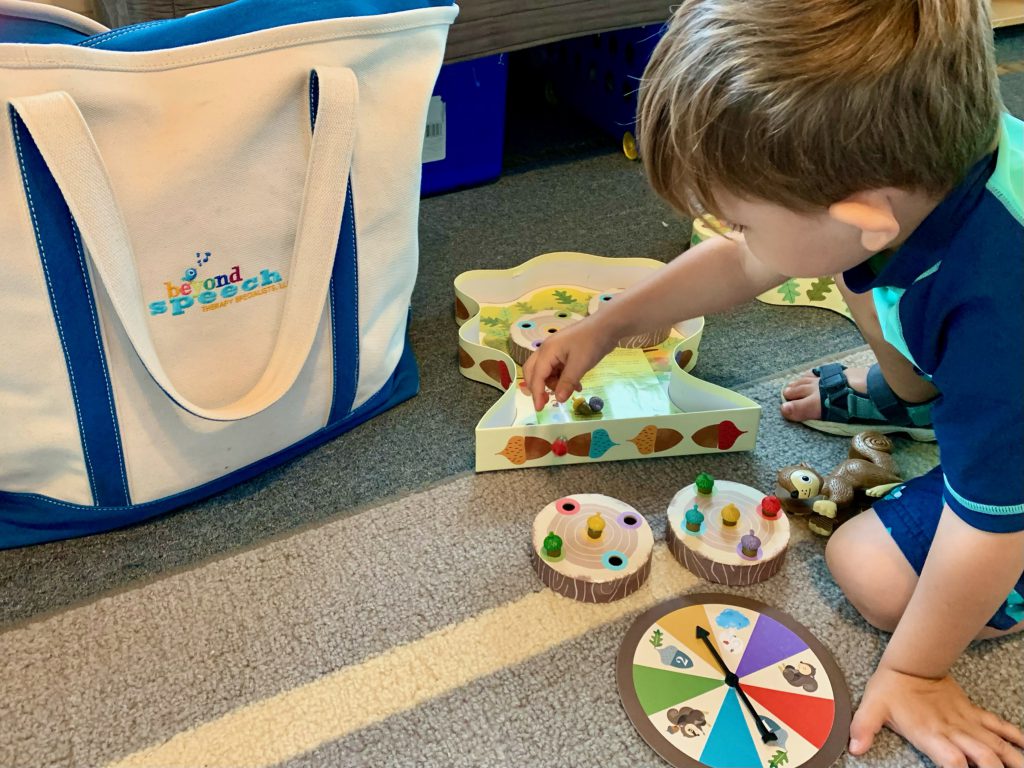
There is a lot to know about sensory processing and the challenges our kids can face around it, but it doesn’t have to be overwhelming! With the right support and strategies, children with sensory processing challenges can learn to navigate their sensory world more comfortably and successfully.
If you recognize any what we’ve covered in your child and are feeling concerned about their sensory processing, know that help is available! Occupational therapy can provide the support and strategies your child needs to thrive.
At Beyond Speech Therapy Specialists, we are here to provide that help and support. We offer comprehensive evaluations and personalized therapy plans delivered in the comfort of your home throughout Chicago’s southwest and west suburbs.
Reach out to us today! Together, we can help your child feel more comfortable and confident in their daily activities.