
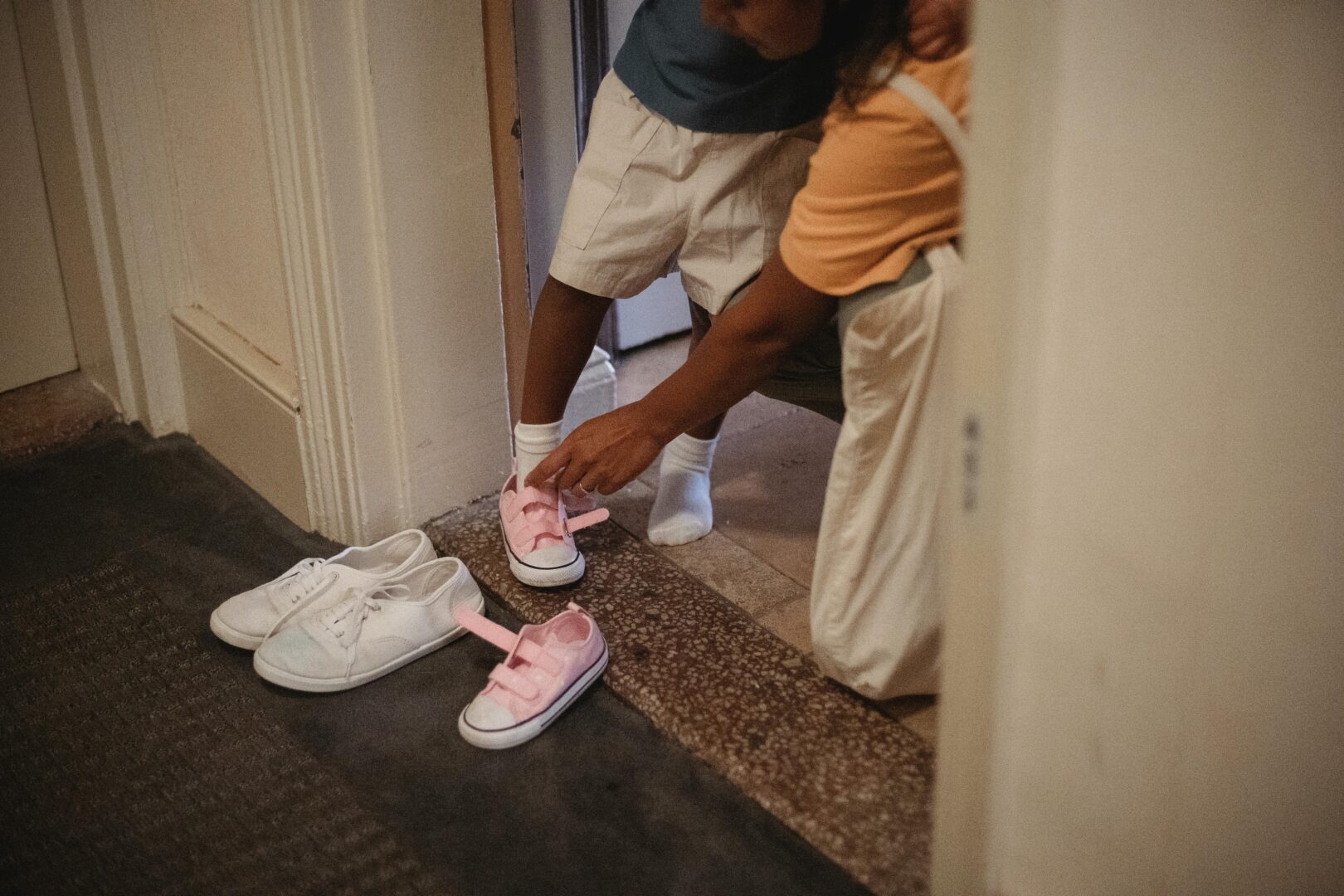
As parents and pediatric therapists, when we think about the skills that help our kids succeed—in school, at home, and in life—things like focus, planning, and emotional control are at the top of that list. These are called executive functioning skills, and they’re some of the most important abilities kids develop as they grow.
Executive functioning is like the “daily management system” of the brain. It helps our kids organize their thoughts, make decisions, control impulses, manage time, and effectively problem-solve.
These big skills are what allow kids to follow directions, complete homework, handle frustration, and move smoothly through daily routines.
While these skills naturally develop over time, some children need extra support building them. With the right guidance, strategies, and patience, parents can help strengthen these skills at home.
Occupational therapists often work with children to improve executive functioning through play, routines, and practical activities and many of these strategies can easily fit into your everyday life.
We’re sharing five simple ways to support your child’s executive functioning skills at home. These are things that can easily be incorporated into daily life and make a big impact on overall development.
5 Ways To Build Executive Functioning Skills at Home
1. Build Routines & Structure
Children thrive when they know what to expect. Predictable routines give them a sense of control, reduce anxiety, and help them build essential life skills like planning and sequencing.
For kids who struggle with executive functioning, routines create a supportive daily framework that makes simple tasks feel more manageable.
Why it helps:
Routines take the guesswork out of daily activities. When your child knows what comes next, they don’t have to rely as heavily on memory or impulse control. Over time, following a routine strengthens organization, time management, and self-regulation—all key parts of executive functioning.
How to support this skill at home:
- Create predictable schedules
As best you can, keep consistent times for waking up, meals, homework, and bedtime. Consistency helps children internalize structure. - Use visual supports throughout their day
Visual schedules, charts, or checklists give kids a clear view of their day and the events, tasks and other things they can anticipate. - Plan for transitions
Give gentle reminders before changing activities (“In five minutes, it’s time to clean up”) to help your child prepare for what’s next. - Encourage participation
Let your child help plan parts of the day and routine—like choosing their outfit or snack. This helps kids feel ownership and control while also working on important decision-making skills.
How we do this in therapy:
Occupational therapists (OTs) often use structure and visual tools to strengthen planning and sequencing skills during our in-home therapy sessions. These same techniques can easily be used at home to help your child feel confident and capable in their daily routines.
2. Encourage Problem-Solving Through Play
Play is one of the most effective ways to help your child strengthen executive functioning skills. It’s why we believe so much in “playing with a purpose”!
When kids do what comes naturally and play, they are also practicing important executive functioning skills like:
- Flexible thinking
- Spatial and cognitive planning
- Decision-making
- Impulse control
And they do this all without even realizing it! Whether they’re building with blocks, playing a game, or making up imaginative scenarios, playtime gives kids a safe space to experiment, make mistakes, and try again.
Why it helps:
Problem-solving through play encourages our kids to think critically and adapt when things don’t go as expected. These kinds of moments teach resilience, creativity, and persistence—skills that are foundational for strong executive functioning.
How to support this skill at home:
- Play games that involve strategy and turn-taking
Board games like Candy Land, Guess Who?, or Chutes and Ladders help kids practice patience, following rules, and thinking ahead. - Build and create together
Activities like puzzles, LEGO sets, or crafts encourage planning and sequencing—important components of organization and task management. - Ask open-ended questions
During playtime, encourage your child to reflect by asking, “What could we try next?” or “How can we fix that?” This kind of ask-and-answer strengthens cognitive flexibility and self-reflection. - Let them struggle (a little)
It’s okay for your child to encounter small challenges during play! Instead of jumping in to fix or help, step back and give them the chance to work on their persistence and self-confidence as they figure out a solution.
How we do this in therapy:
During in-home sessions, our Occupational therapists always use play-based learning to help children build executive functioning skills in a natural and fun way. These kinds activities not only encourage problem-solving but also strengthen fine motor, sensory, and emotional regulation abilities—all crucial for everyday success.
3. Strengthen Working Memory with Everyday Tasks
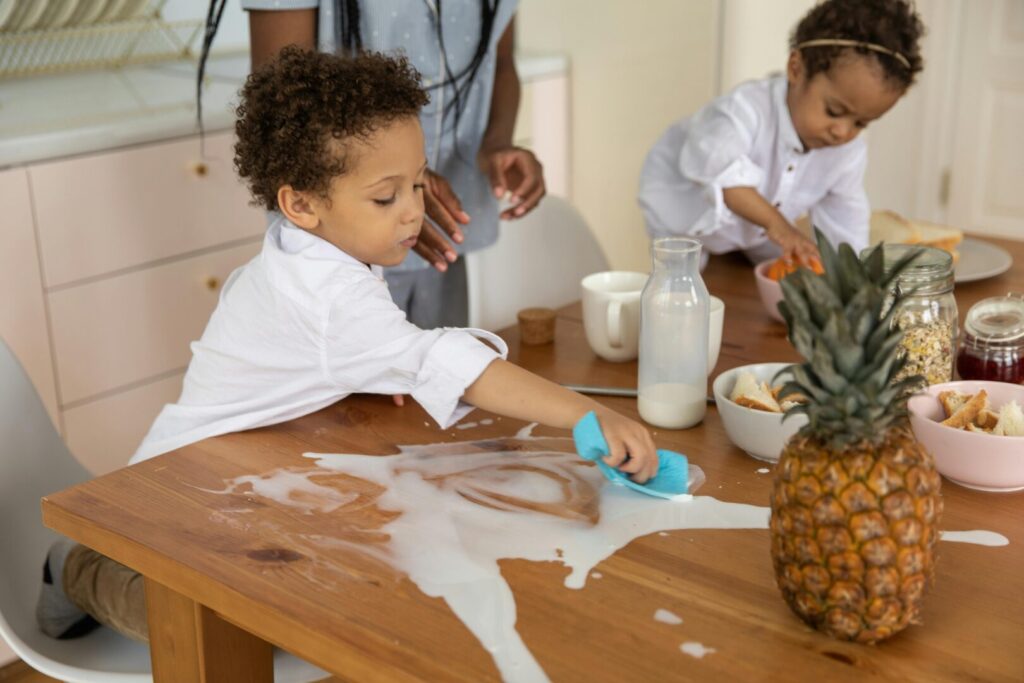
Working memory is what allows children to hold information in their minds long enough to complete a task.
It’s how they remember multi-step directions, follow routines, or remember what they need for school. Strengthening working memory at home helps your child develop better focus, organization, and independence.
Why it helps:
When kids improve their working memory, they can manage multiple steps, retain information for longer, and become more confident in handling daily responsibilities—skills that are essential for success both at home and in school.
How to support this skill at home:
- Practice simple, multi-step directions
Give simple, sequenced instructions such as “Please get your shoes, grab your backpack, and meet me by the door.” Start with three and then, over time, you can increase the number of steps as they build their memory muscle. - Make it fun with games:
Memory games like Simon Says, I Spy, or “What’s Missing?” encourage focus and recall while keeping things playful. - Get hands-on:
Cooking, baking, or doing crafts are excellent ways to work on memory and sequencing. Have your child remember and follow simple steps like “mix, pour, and stir.” And for older kids, have then read a simple recipe a few times and then allow them to gather what they need from memory. - Repeat and review:
Encourage your child to repeat directions back to you to reinforce memory and confirm understanding.
How we use this in therapy:
During therapy sessions, our therapists use structured, step-by-step activities to strengthen a child’s working memory. At home, these same strategies can be practiced naturally through play, routines, and real-world tasks that challenge your child to listen, recall, and act.
4. Model & Practice Emotional Regulation
Executive functioning isn’t just about planning and organization, it’s also about managing emotions – big or small.
Emotional regulation helps kids stay calm, think clearly, and respond appropriately when things don’t go as planned. When children can identify their emotions and then use coping strategies effectively, they’re better equipped to solve problems and manage emotional situations well.
Why it helps:
Children learn emotional regulation through modeling and practice. When you calmly navigate frustration or disappointment, your child learns that big feelings are ok and that they are manageable. Practicing calming techniques helps them build confidence in their ability to handle those emotions, no matter how big.
How to support this skill at home:
- Name emotions as they come up:
Help your child label what they’re feeling by saying, “You look frustrated,” or “I can see that you’re sad.” Naming emotions helps kids understand and manage them. - Model self-regulation:
Show your child what calm looks like. For example, say, “I’m feeling a little overwhelmed, so I’m going to take a deep breath.” This kind of normalization of emotion and then how to manage them goes a long way in helping kids better manage their own. - Practice calming strategies:
Deep breathing, squeezing a stress ball, stretching, or using a “calm-down corner” can all help children learn to self-regulate. - Celebrate progress:
When your child uses a calming strategy successfully and appropriately, acknowledge and celebrate it! Positive reinforcement encourages repetition.
How we use this in therapy:
Occupational therapists often work with children on emotional regulation through sensory-based activities and mindfulness techniques. These kinds of strategies help children recognize the signs of stress and use tools to calm their bodies and minds.
5. Encourage Age Appropriate Independence & Responsibility
Executive functioning skills grow stronger when children are given the opportunity to make decisions, plan ahead, and take ownership of their actions.
Encouraging age appropriate independence helps build confidence, teaches responsibility, and improves problem-solving abilities—all foundational parts of executive functioning skills.
Why it helps:
When children take on age-appropriate responsibilities, they practice organization, self-monitoring, and follow-through. Over time, these experiences teach them better planning and time management skills that they need to navigate daily life.
How to support this skill at home:
- Assign small, age appropriate tasks:
Let your child help set the table, feed a pet, or pack their backpack for school. - Use checklists:
Visual or written checklists remind children what needs to be done without constant prompting. - Offer choices:
Giving your child two or three options (“Do you want to do homework before or after dinner?”) encourages independent decision-making. - Praise effort over perfection:
Focus on the process, not the outcome. Saying “I love how you tried a new way to remember your steps” acknowledges their persistence and willingness to problem-solve.
How we use this in therapy:
In OT therapy sessions, building independence is a major goal. Therapists help children break tasks into smaller, manageable steps and practice self-monitoring, which empowers them to become more confident and capable in everyday life.
Executive functioning skills are some of the most foundational parts of lifelong success.
These big skills—organization, focus, emotional control, and problem-solving—develop over time in our kids and can be strengthened with patience, practice, and consistency.
And if your child struggles with focus, organization, or managing emotions, you don’t have to navigate it alone!
Our team at Beyond Speech Therapy Specialists is here to help! Our experienced occupational therapists provide individualized, in-home therapy support and practical strategies to strengthen executive functioning skills in fun, engaging ways.
Reach out today to connect with a therapist and learn how we can help your child thrive—at home, in school, and beyond.