
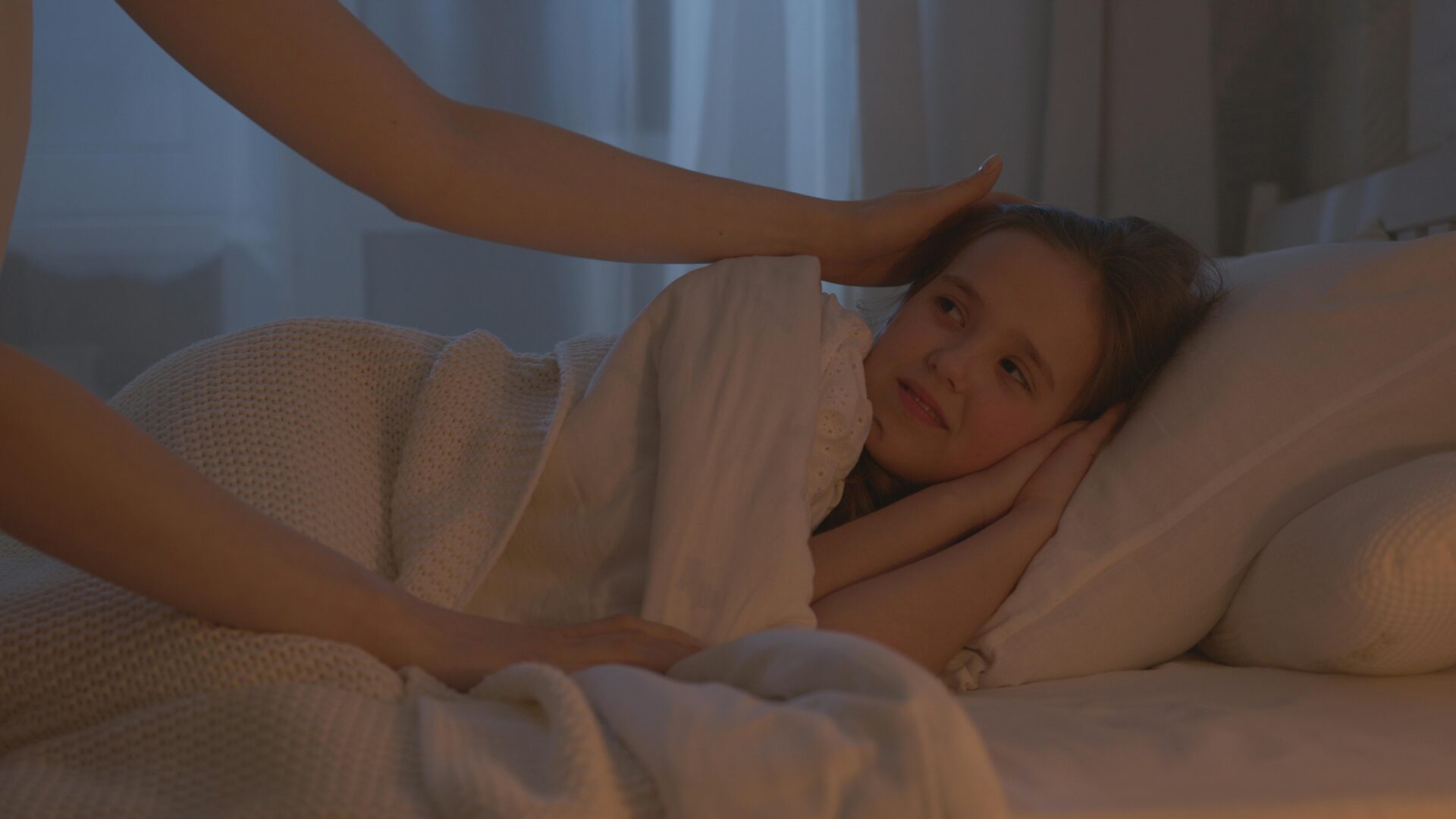
Bedtime battles are exhausting for everyone and while some bedtime resistance is normal for kids, sleep anxiety goes beyond typical stalling tactics and a bit of negotiation. Children with sleep anxiety experience genuine fear and distress around going to bed or sleeping alone, leaving both kids and parents frustrated and sleep-deprived.
If your child dreads bedtime, repeatedly gets up seeking reassurance, or worries about sleep hours before lights-out, you’re not alone! Sleep anxiety is common in children, and the good news is that with patience and the right strategies, most children can develop healthier sleep habits that reduce anxiety and improve rest for the whole family.
Understanding Sleep Anxiety in Children
What is Sleep Anxiety?
Sleep anxiety is a persistent worry or fear about going to sleep or sleeping alone. Unlike a toddler who simply wants to stay up playing, an older child with sleep anxiety experiences real distress. Their bodies might react with physical symptoms like racing hearts, stomachaches, or feeling unable to relax.
This anxiety typically appears in children ages 3-10, though it can occur at any age. The level of intensity and the triggers vary, but the impact is the same – disrupted sleep and increased frustration for children and parents.
Common Causes of Sleep Anxiety
There are several things that can contribute to sleep anxiety:
Developmental Changes
As a child’s imagination and cognitive ability develops, so does their ability to imagine and think more about scary and distressing scenarios.
Life Changes and Stress
Things like starting school, moving, family changes, or even something they saw on TV can trigger sleep worries. Children often process stress at night when distractions are gone and they, like adults, have time to think about some of the worrying things in their lives.
Sensory Sensitivities
Some children are more sensitive to room temperature, sounds, textures of bedding, or darkness, making it genuinely harder for them to feel comfortable enough to sleep.
Overstimulation
Busy schedules, screen time, and excitement before bed can make it difficult for children’s nervous systems to wind down, creating anxiety about their inability to fall asleep.
Signs Your Child May Have Sleep Anxiety
These are some of the most common signs of sleep anxiety in kids.
- Excessive stalling tactics that seem driven by genuine distress and worry
- Physical – headache, stomachache, etc. – complaints appearing only at bedtime
- Repeatedly getting up to check on parents or seek reassurance after being tucked in
- Worrying about bedtime hours in advance
- Difficulty falling asleep despite being tired
- Nightmares or night terrors
- Refusing to sleep alone or in their own room
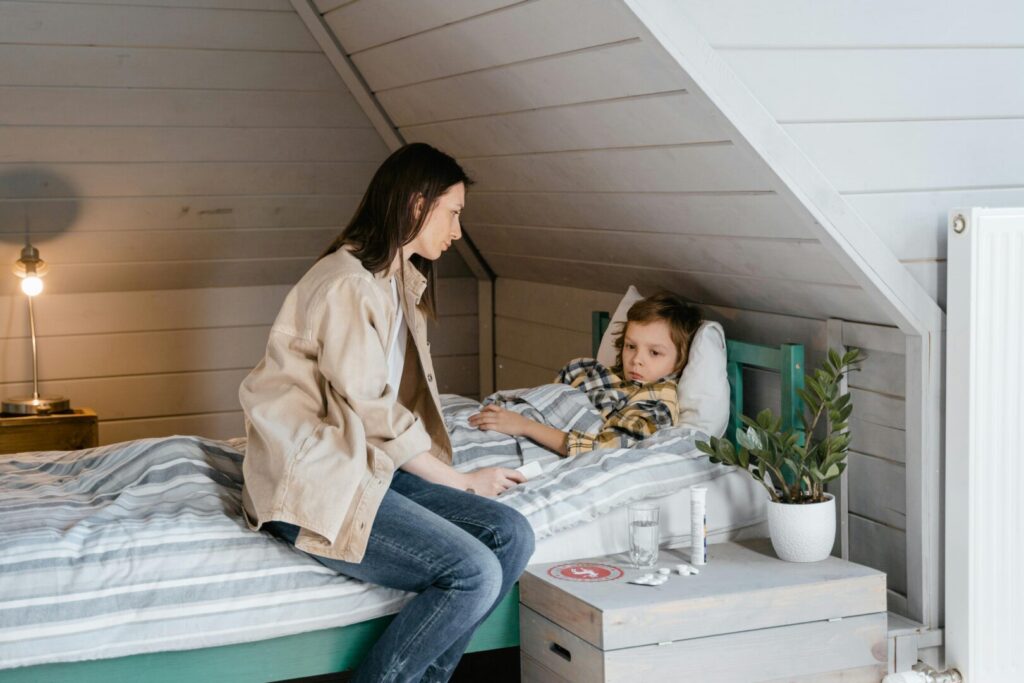
5 Ways to Create Healthy Sleep Habits
1. Establish a Consistent Bedtime Routine
Routine and predictability is calming for anxious children. A consistent bedtime routine signals to your child’s brain and body that sleep is approaching and helps them transition from activity to rest.
Create a Calming Pre-Bed Routine:
- Start the routine 30-60 minutes before bedtime
- Include the same activities in the same order each night
- Choose naturally calming activities: bath, pajamas, teeth brushing, quiet reading
- End with the most comforting activity in their bedroom
Make it Visual: For younger children or those who struggle with transitions, create a picture chart showing each step of the bedtime routine. This provides both predictability and a sense of control.
Stay Consistent: Maintain the same routine on weekends and when traveling when possible. Consistency builds security and helps establish strong sleep associations.
2. Create a Sleep-Friendly Environment
Your child’s bedroom should feel like a safe, comfortable space where they can relax and rest.
Optimize the Space:
- Keep the room cool (65-70°F is ideal)
- Use blackout curtains or a dim nightlight based on your child’s preference
- Consider white noise machines to mask household sounds
- Ensure comfortable bedding and pajamas
Address Sensory Needs: If your child has sensory sensitivities, pay attention to:
- Fabric textures that feel comfortable
- Weight of blankets (some children prefer heavier blankets for calming pressure)
- Room smells (lavender can be calming but some children are sensitive to scents)
Provide Comfort Objects: A special stuffed animal, blanket, or other transitional object can provide security when you’re not in the room.
3. Limit Screen Time & Stimulation Before Bed
Blue light from screens suppresses melatonin production, making it harder to fall asleep. Beyond the physical effects, on screen content can be stimulating or anxiety-provoking.
Create a Screen-Free Wind-Down:
- Turn off all screens at least one hour before bedtime
- Avoid exciting or scary content even earlier in the evening
- Remove TVs and devices from bedrooms
Replace Screens with Calming Activities:
- Reading books together
- Quiet drawing or coloring
- Gentle stretching or yoga
- Listening to calm music or audiobooks
- Talking about or journaling the day’s positive moments
4. Address Worries During the Day
Anxiety often surfaces at bedtime when there are no distractions so taking the time to help your child process their worries during the day can get ahead of the bedtime fears.
Create Designated Worry Time: Set aside 10-15 minutes earlier in the day for your child to share concerns. This tells their brain that worries have a time and place—and bedtime isn’t it.
Use Calming Techniques:
- Deep Breathing: Practice “belly breathing” where they breathe deeply enough to make their stomach rise and fall
- Progressive Muscle Relaxation: Tensing and releasing muscle groups from toes to head (here’s a great video that walks you through the technique)
- Guided Imagery: Imagining a peaceful, safe place in detail & talking about the feelings of that place.
Use a Worry Journal or Box: Some kids benefit from writing or drawing worries and “putting them away” for the night in a special box or journal.
Validate While Reassuring: Acknowledge their fears as real while gently providing perspective. “I understand you’re worried about bad dreams. Most nights you sleep peacefully, and I’m right down the hall if you need me.“
5. Maintain Consistency and Patience
Changing sleep habits takes time so it’s important to be patient with your child, and yourself. Most children need 2-4 weeks of consistency before new routines feel natural and anxiety decreases.
Set Realistic Expectations
Progress isn’t always linear, you might see improvement, then a setback and that’s totally normal.
Create a Response Plan
Decide in advance how you’ll handle middle-of-night wake-ups. Will you walk them back to bed? Sit with them briefly? Having a consistent response also helps with the routine of sleep management for you and your child.
Celebrate Small Wins
Notice and praise effort, not just success! “I noticed you stayed in bed for five more minutes tonight—that took courage!“
Stay Calm and Compassionate
Your child isn’t trying to be difficult, sleep anxiety feels very real to them. Responding with frustration often increases anxiety and adds to the work you’re all doing.
When to Seek Professional Help
While these strategies help most children, some may need additional support. If you’ve been consistent with many of these suggestions and your child is still struggling, consider reaching out to a professional.
Professional support might be needed if:
- Sleep anxiety persists despite consistent implementation of these strategies
- Your child’s anxiety is worsening or spreading to other areas
- Sleep issues are significantly impacting daily functioning or school performance
- Your child expresses thoughts of self-harm or extreme hopelessness
- The whole family’s wellbeing is suffering due to ongoing sleep disruption
At Beyond Speech Therapy Specialists, our therapists are here to support your child, and family, with anxiety and sleep-related fears. We can work together to develop personalized strategies and address any underlying anxiety that may be affecting sleep and other areas of life.
Sleep anxiety can be incredibly challenging for children and exhausting for parents, but it’s also something that is very treatable. With consistent routines, a supportive environment, and patience, most children can overcome sleep fears and develop healthy sleep habits.
Remember that progress takes time and some nights will be harder than others, but that’s okay! What matters is maintaining consistency and responding to your child’s anxiety with compassion and patience while also encouraging their efforts and independence.
If you’re ready for more support with your child’s sleep struggles, our team at Beyond Speech serves families throughout Chicago’s southwest and west suburbs and can provide personalized, in-home therapy and guidance.
Reach out to us today and we’ll connect you with one of our fantastic therapists!
Sweet dreams and happy bedtimes are possible – for your child and for you! With the right support and strategies, better sleep is right around the corner.